Living Heritage
A community-governed platform to preserve, teach and celebrate Secwépemc language and culture, with other languages in their own homes. Nothing is shown until a person from the community approves it.
Photos, a short chat and a four-level result, with clinicians in the loop.
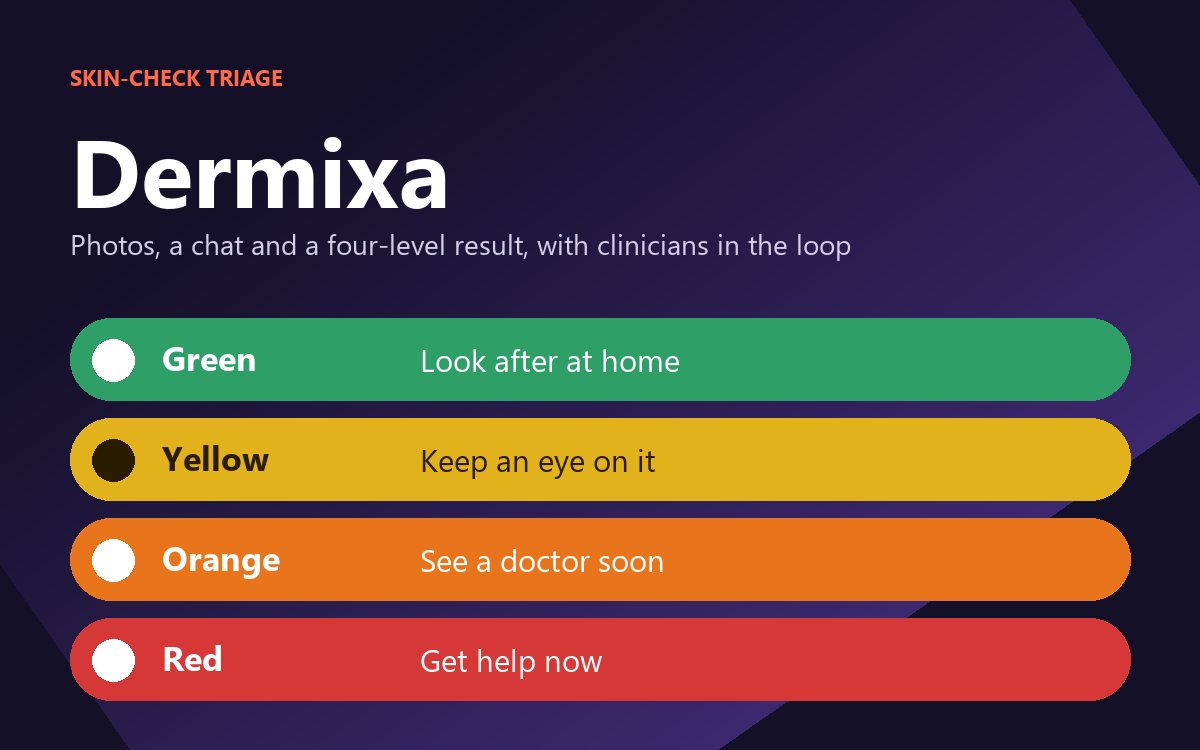
Dermixa helps people decide what to do about a skin problem. A patient answers a few questions in a chat, marks the area on a body map and adds photos. Dermixa returns one of four levels (Green: look after at home, Yellow: keep an eye on it, Orange: see a doctor soon, Red: get help now) together with a self-care plan and a way to send the case to a hospital.
Behind the app is a clinician console. Clinicians manage the condition library, the red-flag rules, the care plans and the AI models, and can benchmark any model on a test set before it goes live. The demo link opens that console, which is behind a staff sign-in.
Dermixa is a research prototype. It does not diagnose and is not a medical device. Anyone worried about a skin change should see a health professional.
Preview of the live demo. Open it in a new tab ↗
Questions asked one at a time with quick replies, before the body map and photos.
A clear Green, Yellow, Orange or Red outcome, with a plain-language reason for it.
Self-care steps with each result and check-ins from the app, matched to the condition.
Send a case to a hospital, have a doctor assigned and book an appointment.
A library of skin conditions the app knows and what to do about each.
An iPhone app and a patient web app, kept in step with the console within about 30 seconds.
Rules can raise a result’s level when certain answers come together, whatever the models say. They can only raise a level, never lower it.
Zero-shot models (DermFM-Zero, MONET) and specialist classifiers are combined, and any version can be benchmarked on a test set before it is live.
Models move from testing to shadow to live, and conditions show whether AI is available, in testing or coming soon.
New classifiers can be trained from public datasets and uploaded as model files, with analytics on checks per day by level and time per check.
A community-governed platform to preserve, teach and celebrate Secwépemc language and culture, with other languages in their own homes. Nothing is shown until a person from the community approves it.
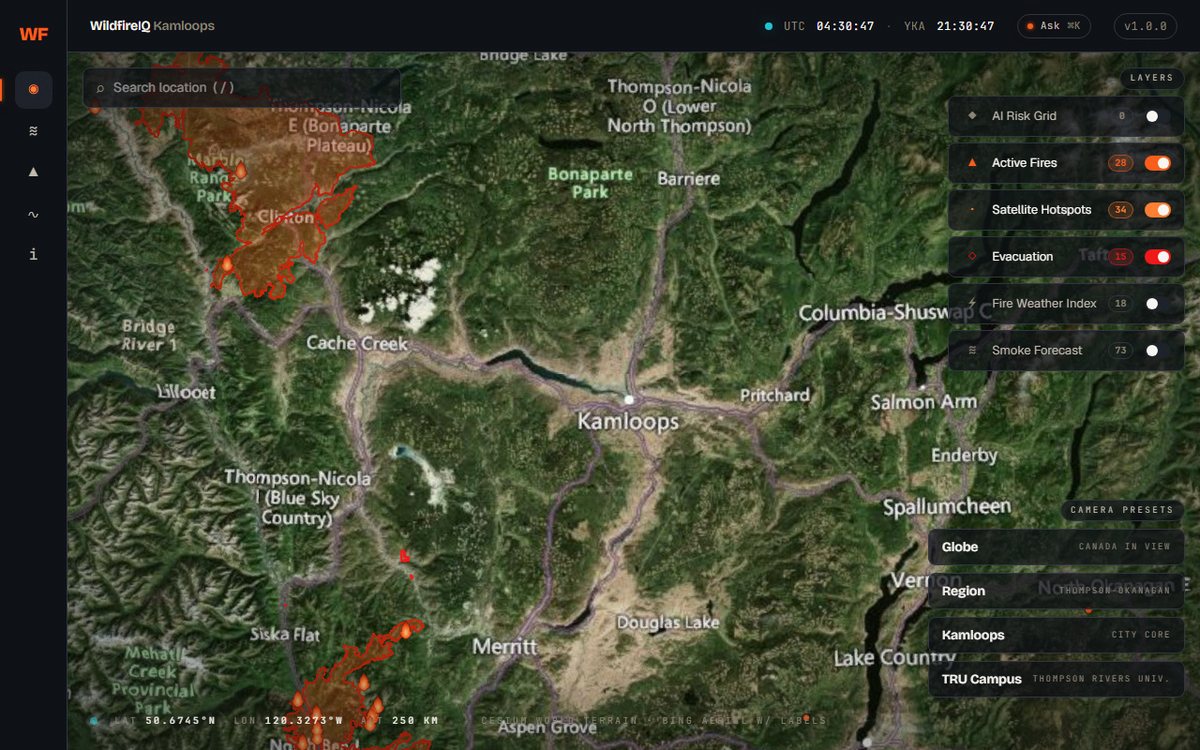
A live 3D map that combines an in-house AI risk model with active fires, satellite hotspots, evacuation zones, fire weather and smoke forecasts for the Thompson-Okanagan region.
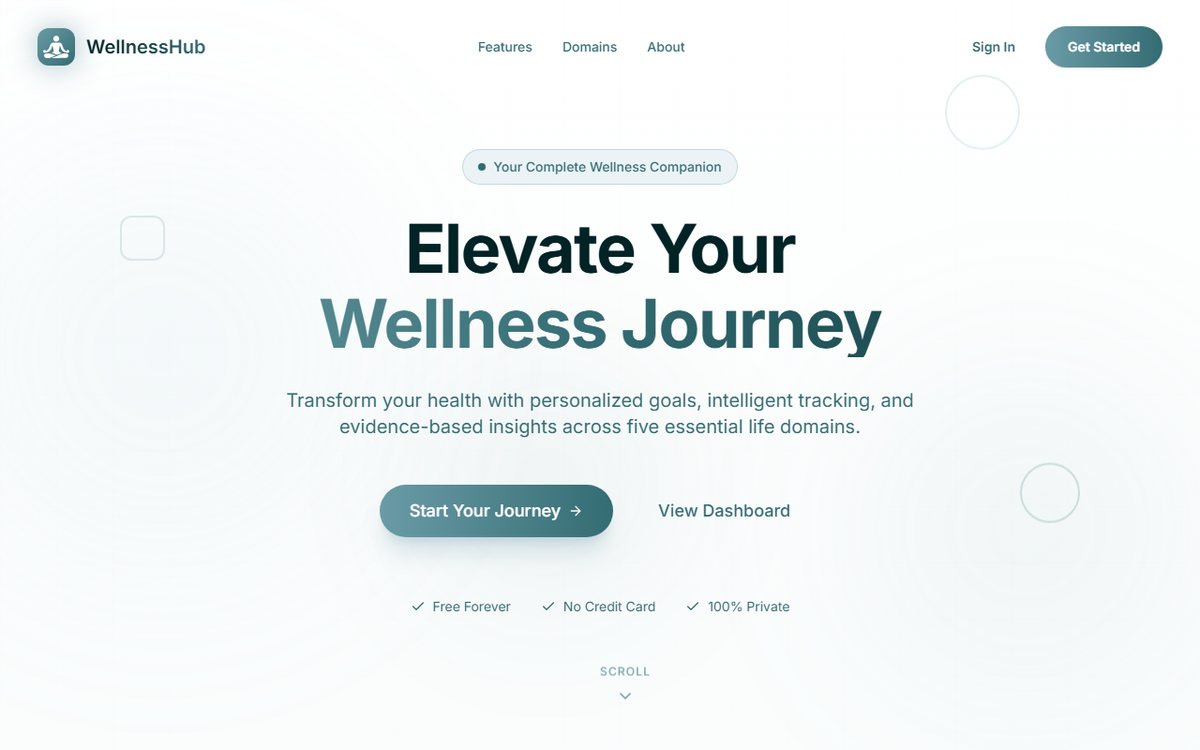
The flagship of AI for Health & Healing: goal setting, tracking, insights and an AI coach across five wellness domains, with private data. Demonstrated live to BC’s Minister of State for AI.
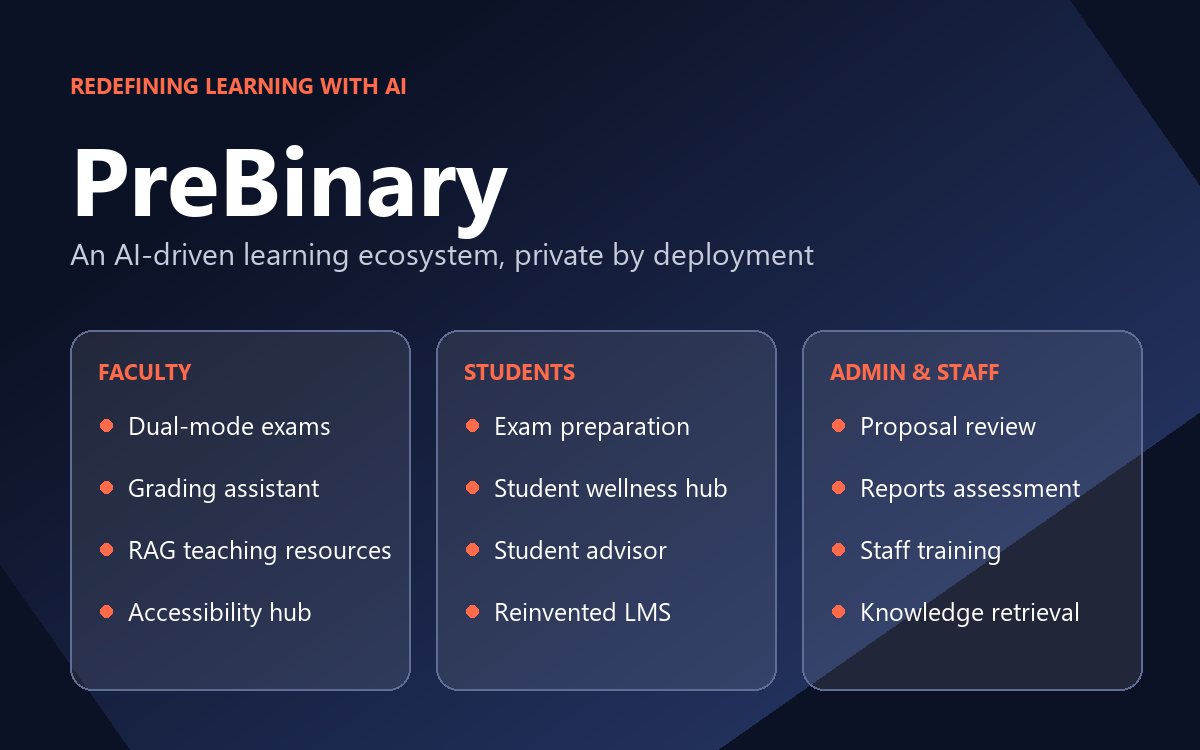
A next-generation learning platform for students, faculty and administrators that runs private, independent models and lets each feature use the AI model that suits it.
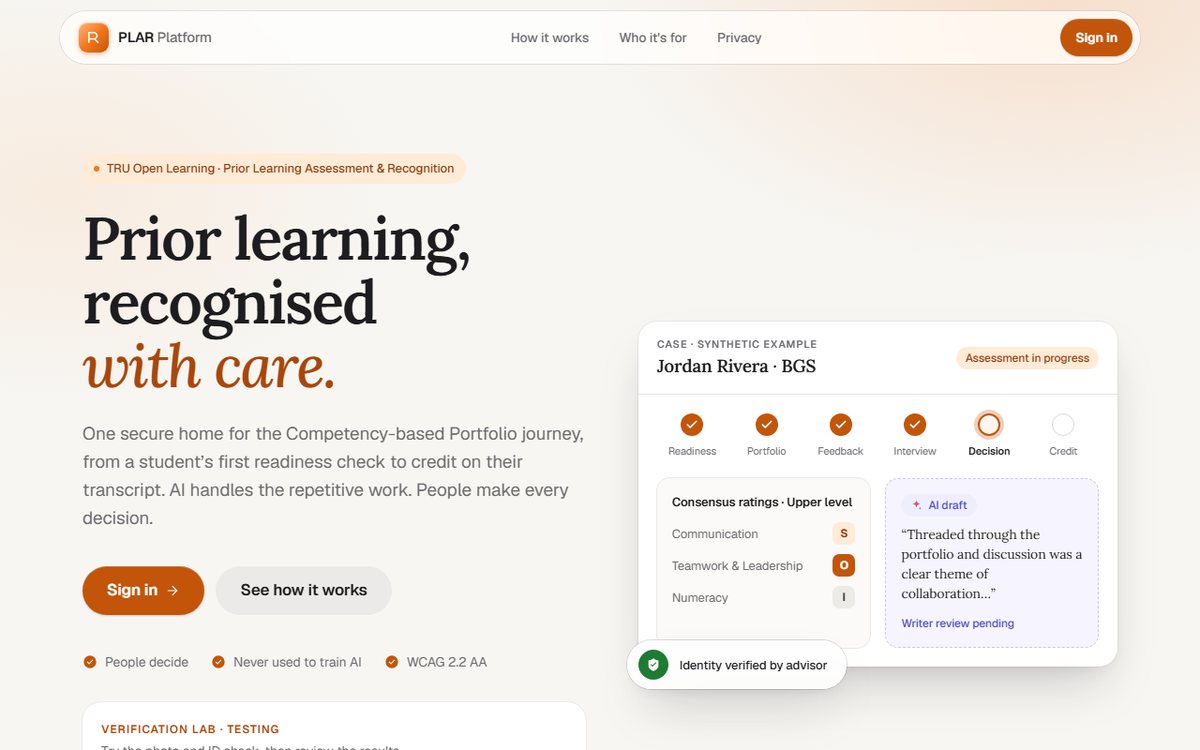
One secure home for the Competency-based Portfolio journey at TRU Open Learning, from a student’s first readiness check to credit on their transcript.
AIRL works with universities, public bodies, communities and industry through Mitacs, tri-council programs and direct partnerships.